Stroboscopic Light · Denver Guide
Stroboscopic Light Sessions: Reset Your Mind
Close your eyes. Let the light do less than you expect and more than you can predict. A stroboscopic light session gives your attention a rhythmic place to land while sound and vibration build the rest of the field.
Stroboscopic light is rhythmic flickering light used with the eyes closed. At Denver Zen Den, it is part of a larger sensory experience. The light is not a screen, a projection, or a visual show to watch. It is one carefully paced input in a room designed for deep rest and inward attention.
What Are Stroboscopic Light Sessions?
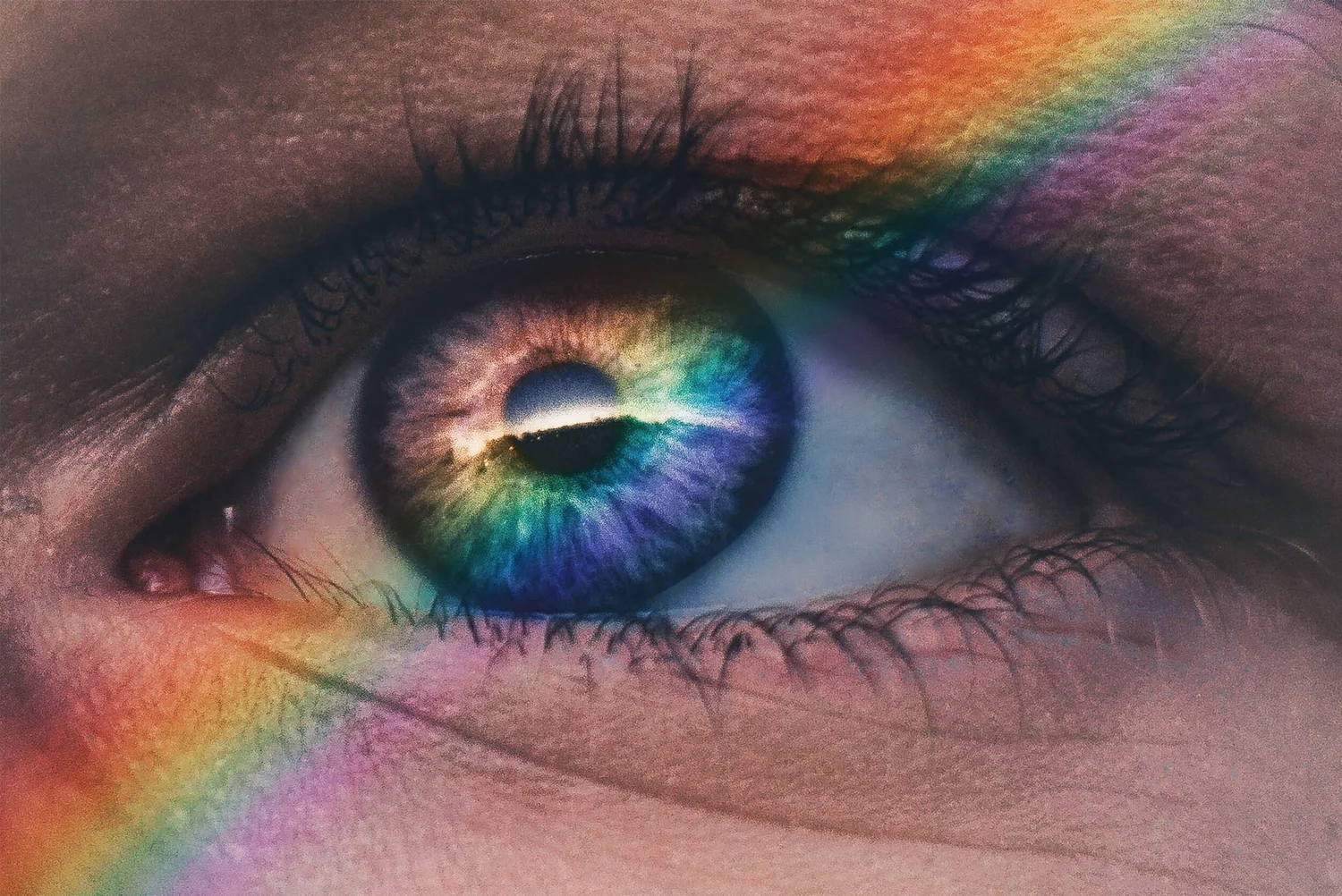
Stroboscopic light sessions use repeated pulses of light, usually through closed eyelids, to create a changing visual field. The light is often paired with spatial sound and vibroacoustic vibration so the experience is felt through more than one channel.
Some guests notice color, pattern, or geometry. Some notice their breathing, body weight, or the music more clearly. Some notice very little visual content. There is no right response, and the session does not require you to interpret what you see.
How Does Rhythmic Light Affect Attention?
Rhythmic input gives the brain a steady pattern to receive. With the eyes closed, there is less outside visual information competing for attention. That can make the inner visual field more noticeable and give the mind a simple point of contact.
The experience is receptive rather than effortful. You are not trying to empty your mind or force a particular state. You lie down, listen, feel, and let the sequence unfold.
A useful frame: stroboscopic light is not a promise of a particular result. It is an invitation to notice what happens when the visual system receives a steady rhythm in a calm, guided setting.
What Does a Session Feel Like?
The first few minutes can feel unfamiliar. The light may create shifting patterns behind your eyelids while the sound moves around the room. Vibroacoustic vibration can add a low, physical layer through the surface beneath you.
For some people, the combined effect feels like an IMAX for the soul. For others, the most important part is the moment the busy mind stops trying to manage every detail. The experience can be vivid, subtle, physical, or quiet.
Nobody else in the Den sees what you see. The visual experience is yours alone.
What Happens Before and After the Light?
A guide explains the sensory layers before you begin and answers questions about comfort and safety. You settle onto the surface, choose your preferred format, and start when you are ready.
When the sequence ends, you are not rushed out of the experience. The guide gives you time to return to ordinary awareness, and you can share what you noticed if you want to. There is no required interpretation.
Who Should Skip the Light Layer?
Sound and vibration formats may be available without the stroboscopic layer. The right choice is the one that lets you stay comfortable and informed.
Is This Therapy or Meditation?
No. Denver Zen Den offers a designed nervous system experience, not psychotherapy or medical treatment. Sessions are not intended to diagnose, treat, or cure any condition.
It is also not a replacement for meditation. Meditation is an active practice. This is a guided, receptive environment that can feel like deep meditation without 10 years of practice. The two can sit alongside each other without needing to compete.
Where Can I Try Stroboscopic Light in Denver?
Denver Zen Den is located at 2345 7th Street, Suite B101, in Jefferson Park. Read the stroboscopic light overview, see the sober altered states guide, or schedule a discovery call if you want to ask questions first.
What Do People Usually Ask?
Do I keep my eyes closed?
Usually, yes. The experience is designed around closed-eye light, but you can open your eyes or ask for an adjustment at any point.
Will I see the same images as someone beside me?
No. The light is shared, but the visual patterns each person notices are produced by their own visual system.
Can I stop the session?
Yes. You remain in control of your participation and can ask the guide to pause or change the sensory layers.
Do I need to prepare?
Wear comfortable clothing, avoid a heavy meal immediately before, and leave enough time to arrive without rushing.
Give Your Attention Somewhere to Land
Rhythmic light, spatial sound, and a quiet place to notice what your mind does next.
Book a Session