Modality
Your Nervous System Already Knows the Music
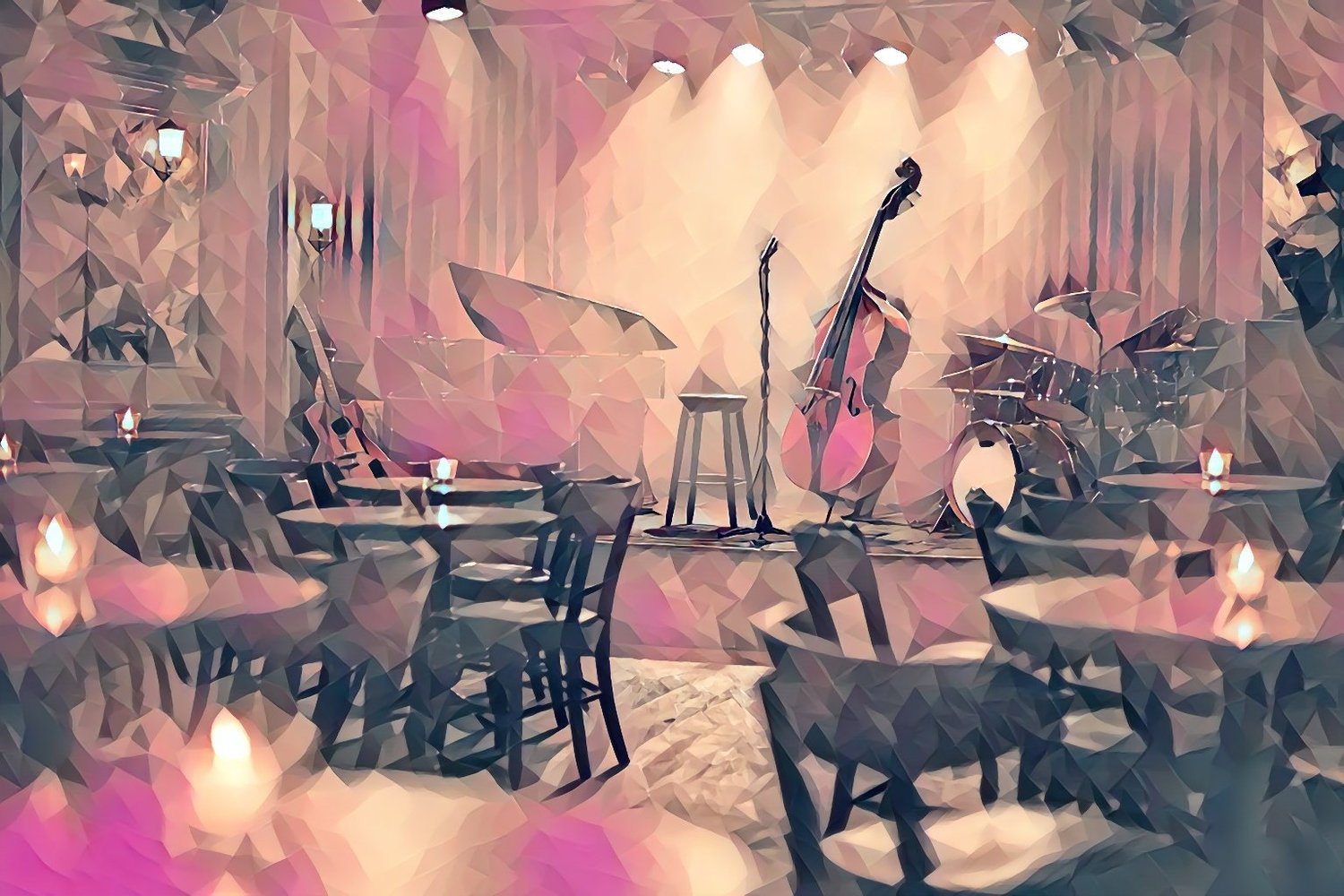
There's a moment in a live jazz set, maybe thirty minutes in, maybe sooner, when something shifts. Your breathing slows. Your foot finds the pulse without being told. The boundary between you and the room softens. You didn't decide to relax. Your body just... responded.
That's not a metaphor for regulation. That is regulation.
What is entrainment, and how does it sync your nervous system?
Neuroscientists call it entrainment, the tendency of biological systems to synchronize with external rhythms. Your heartbeat, your breathing, even the firing patterns of your neurons will naturally lock onto a steady pulse when one is offered. It's why a mother's heartbeat calms a newborn. It's why walking in step with someone builds trust before a word is spoken.
Music, especially rhythmically rich, live music, is one of the most powerful entrainment tools we have. Research from the frontiers of neurologic music therapy shows that auditory rhythms prime the motor system, creating anticipatory time cues that help the body organize itself. Your internal rhythms (heart rate, respiration, digestion) begin to synchronize with what you're hearing. The body returns toward homeostasis, not because you willed it, but because rhythm gave it a template.
Jazz takes this a step further.
What's happening in your brain underneath the music?
Entrainment explains the rhythm side of it, but rhythm isn't the whole story. Music also lights up the limbic system, the older, faster part of the brain that handles emotion before you've had a conscious thought about it. The amygdala, which is constantly scanning for threat, responds to musical tension and release almost like it responds to a real situation resolving safely. That's part of why a well-built chord change can make your chest loosen before you know why. Your physiological response to music, heart rate, skin conductance, muscle tension, often shifts within seconds, faster than conscious judgment can weigh in. That's music perception doing its work below the level of thought.
At the same time, music activates the brain's reward system. Dopamine rises in anticipation of a moment you can feel coming, a turnaround, a drop, the return to the head after a solo, and again when it lands. Researchers studying music and brain function have mapped this pattern across several brain regions: the auditory cortex processes the sound, the limbic system tags it with feeling, and the reward system marks it as worth paying attention to. This overlap between rhythm, emotion, and reward is also why music therapy has become a serious clinical field and not just background sound in a waiting room. Three systems, one experience, and your autonomic nervous system riding along underneath all of it, shifting from alert to settled and back again as the music moves.
Why does jazz affect the nervous system differently?
Most music offers a predictable pulse. Jazz offers something more alive: a pulse that breathes, bends, and sometimes disappears entirely, only to return and catch you right where you need to be caught.
This matters for your nervous system. A perfectly steady beat can soothe, yes. But jazz, with its syncopation, its call-and-response, its tension and release, mirrors the way a healthy nervous system actually works. Not rigid. Not chaotic. Flexible. Responsive. Able to tolerate surprise and return to center.
When Branford Marsalis's quartet locked into a groove at Denver Jazz Fest, or when Dominic Lalli's Blue Bird Quintet found that sweet spot between structure and spontaneity, what you're witnessing isn't just artistry. It's a group of nervous systems in real-time co-regulation, listening, adjusting, syncing up, and your body is invited into that same conversation.
What's happening at Denver Jazz Fest this year?
Denver Jazz Fest's second annual celebration of Jazz Appreciation Month ran forty shows across fifteen venues, from the intimate rooms at Dazzle to the Newman Center to stages in the historic Five Points district, where Denver's jazz roots run deep.
There's Unlimited Miles: Miles at 100, directed by John Beasley, with Bob James making his first Denver appearance in forty years. There's José James. Ingrid Jensen. Hazel Miller. A Latin Dance Party with the Raul Murciano Mambo Orchestra. Solo piano. Big band. Trio. Quartet.
The variety matters, not just musically, but sensorially. A solo piano set in a small room asks something different of your attention than a mambo orchestra that puts rhythm in your hips. Each is a different doorway into presence.
How do you listen to music with your whole body?
You don't need a neuroscience degree to feel what music does. But a little intention can deepen the experience. Here are three ways to let a live set work on your nervous system, not just your ears:
Arrive early and settle. Give yourself five minutes before the music starts. Feel the chair beneath you. Notice the ambient sound of the room. Let your nervous system register: I'm safe. I'm here. There's space. This primes your body to receive rather than brace.
Follow the bass, not the melody. The low frequencies, upright bass, kick drum, left hand on the piano, are where entrainment lives. Let your attention sink below the melody into the pulse underneath. You might notice your breathing deepen without trying.
Let silence land. Jazz musicians know that space is a note. When the music pauses or pulls back, resist the urge to fill the gap with thought. Just stay in the feeling of the room. That moment of shared silence, a whole audience breathing together, is one of the most powerful regulatory experiences available to us.
Why does the room matter as much as the music?
Here's what makes live music fundamentally different from a playlist: the room. The resonance of a physical space. The warmth of bodies around you. The subtle, unconscious awareness that hundreds of nervous systems are synchronizing to the same pulse at the same time.
This is co-regulation at scale, and it's something no headphone can replicate.
At Denver Zen Den, we think a lot about what happens when you design spaces intentionally around sensory experience, when light, sound, vibration, and atmosphere are tuned to help the body remember what calm feels like. Live jazz does something remarkably similar. The musicians create the container. The audience steps in. And something shifts that none of us could have produced alone.
Your Invitation
You do not need a festival on the calendar to try this. Denver has live jazz running year-round at rooms like Dazzle and across Five Points. Pick a show, any show, and go not just to hear the music, but to feel it. Let your body do what it already knows how to do.
And if live music leaves you curious about what else becomes possible when you design an experience around the nervous system, when sound, light, and sensation are woven together with intention, we'd love to welcome you into the Den.
Your body already knows the music. Sometimes you just need a room that reminds you to listen.
Experience It
The Denver Zen Den uses light, sound, and vibration to move your nervous system from reading to feeling. Come see what that shift actually feels like.
Build Your Session